How Invisalign Aligner Temperature Sensitivity Affects Material Performance and Treatment Effectiveness
Understanding the Science Behind Clear Aligner Materials
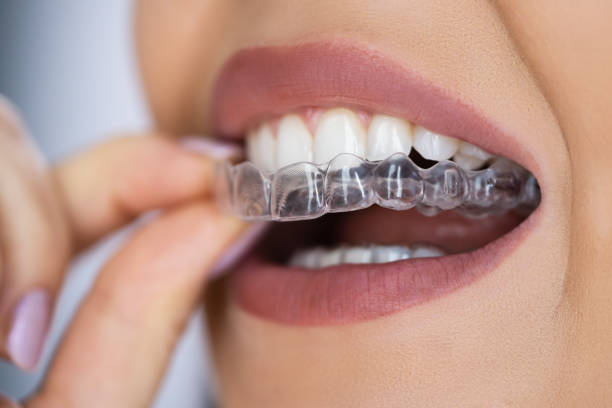
The popularity of Invisalign Limerick has revolutionised orthodontic treatment over the past two decades, offering patients a discreet alternative to traditional metal braces. However, the effectiveness of these devices depends significantly on the physical properties of the thermoplastic materials from which they are manufactured. Temperature sensitivity plays a crucial role in determining how well these aligners perform their intended function of gradually repositioning teeth into their desired positions.
The polymers used in clear aligner construction are specifically engineered to maintain consistent mechanical properties under normal oral conditions. Yet the oral cavity presents a challenging environment, with temperatures fluctuating between approximately 5°C when consuming cold beverages and potentially exceeding 60°C during hot food or drink consumption. These thermal variations can substantially impact the material behaviour of aligners, affecting both their force delivery characteristics and their structural integrity throughout the treatment period.
The Impact of Thermal Cycling on Aligner Performance
Research has demonstrated that repeated exposure to temperature extremes can alter the mechanical properties of thermoplastic aligner materials. When subjected to elevated temperatures, the polymer chains within the material become more mobile, potentially leading to a reduction in the force applied to teeth. Conversely, exposure to cold temperatures can cause the material to become more rigid and brittle, which may compromise comfort and increase the risk of fracture during normal wear.
A comprehensive analysis of thermoplastic aligner materials under varying temperature conditions has revealed significant changes in force degradation patterns. This degradation is particularly relevant for patients seeking Invisalign Limerick treatments, as understanding these material characteristics enables practitioners to provide more accurate predictions regarding treatment timelines and outcomes. The study findings suggest that aligners may lose up to 30% of their initial force delivery capacity after just one week of thermal cycling that simulates typical eating and drinking patterns.
Clinical Implications for Treatment Planning
Force Delivery Considerations
The relationship between temperature exposure and force delivery has significant implications for treatment effectiveness. Orthodontic tooth movement relies on the application of consistent, controlled forces over extended periods. When aligner materials soften due to heat exposure, the forces transmitted to teeth may fall below the optimal biological threshold required for efficient tooth movement, potentially extending treatment duration beyond initial projections.
Material Durability and Wear Patterns
Temperature fluctuations also influence the long-term durability of aligner materials. Studies examining the structural changes in thermoplastic orthodontic appliances have identified microscopic surface alterations that occur following repeated thermal stress. These changes can affect the fit precision of aligners, potentially compromising their ability to maintain intimate contact with tooth surfaces. When gaps develop between the aligner and teeth, force transfer becomes less predictable, and treatment outcomes may be negatively impacted.
The crystallinity of aligner polymers can increase with thermal exposure, leading to changes in transparency and aesthetic appearance. Whilst this may seem purely cosmetic, increased crystallinity also correlates with altered mechanical properties that can affect treatment progression. Patients who frequently consume hot beverages whilst wearing their aligners may inadvertently accelerate these material changes, though removing aligners during consumption of anything other than cold water remains the recommended protocol.
Patient Compliance and Temperature Management
Educating patients about temperature sensitivity represents an essential component of successful aligner therapy. Those undergoing treatment should understand that maintaining aligners within a moderate temperature range optimises material performance. This includes avoiding exposure to direct sunlight, hot car interiors, or other environments where excessive heat accumulation might occur. Storage in appropriate cases when not in use protects aligners from inadvertent thermal damage.
Recent investigations into patient compliance factors have highlighted that understanding material science principles can improve adherence to wearing schedules. When patients comprehend how temperature affects their aligners, they demonstrate greater motivation to follow recommended care protocols. For those considering treatment with a dentist Limerick or elsewhere, this knowledge empowers them to become active participants in achieving optimal results.
Achieving Optimal Treatment Outcomes
The temperature sensitivity of Invisalign Limerick aligner materials underscores the sophisticated engineering required for successful orthodontic treatment. Whilst modern thermoplastic polymers demonstrate remarkable resilience, their performance remains inherently linked to environmental conditions. Clinicians must account for these material characteristics during treatment planning, whilst patients benefit from understanding how their daily habits influence aligner effectiveness. By recognising the interplay between temperature exposure and material behaviour, both practitioners and patients can work collaboratively towards achieving predictable, efficient orthodontic outcomes that meet aesthetic and functional objectives.