How Event Security Keeps Large Gatherings Organized And Protected

Large gatherings work best when movement feels natural. That balance starts before guests reach the entrance. An event security company los angeles team can shape orderly arrivals without creating tension. From screening points to emergency routes, each measure serves a clear purpose. Good planning also keeps staff connected when conditions change.
Security Planning Shapes The Arrival
Before doors open, personnel study entrances and surrounding routes. That review reveals likely crowd pressure points and restricted zones. Staff then receive clear positions and specific responsibilities. This early preparation helps avoid confusion once visitors begin arriving. Simple signs can further guide foot traffic toward open paths.
Why Does Crowd Movement Matter?
Crowded areas can change quickly during busy events. A blocked passage may redirect hundreds toward another route. Trained personnel watch density near gates, stages, and concessions. When pressure rises, staff can redirect people before congestion worsens. Clear movement also keeps emergency access available.
Communication Connects Every Response
Good coordination depends on short, useful radio updates. Each message should identify the location and immediate concern. Venue supervisors can then adjust staffing without delay. An event security company los angeles team may coordinate with medical crews and venue managers. That connection keeps separate duties working toward one response.
What Makes Emergency Action Effective?
Emergency readiness depends on practiced roles and simple instructions. Personnel need to know which routes remain open. Staff should also understand where medical support waits. Useful actions include:
- Keep emergency lanes open throughout operations.
- Direct guests toward suitable exits.
- Report hazards using clear location details.
- Protect access for response vehicles.
- Record incidents after immediate risks end.
These steps give personnel practical direction during pressure.
A Visible Presence Can Reassure Guests
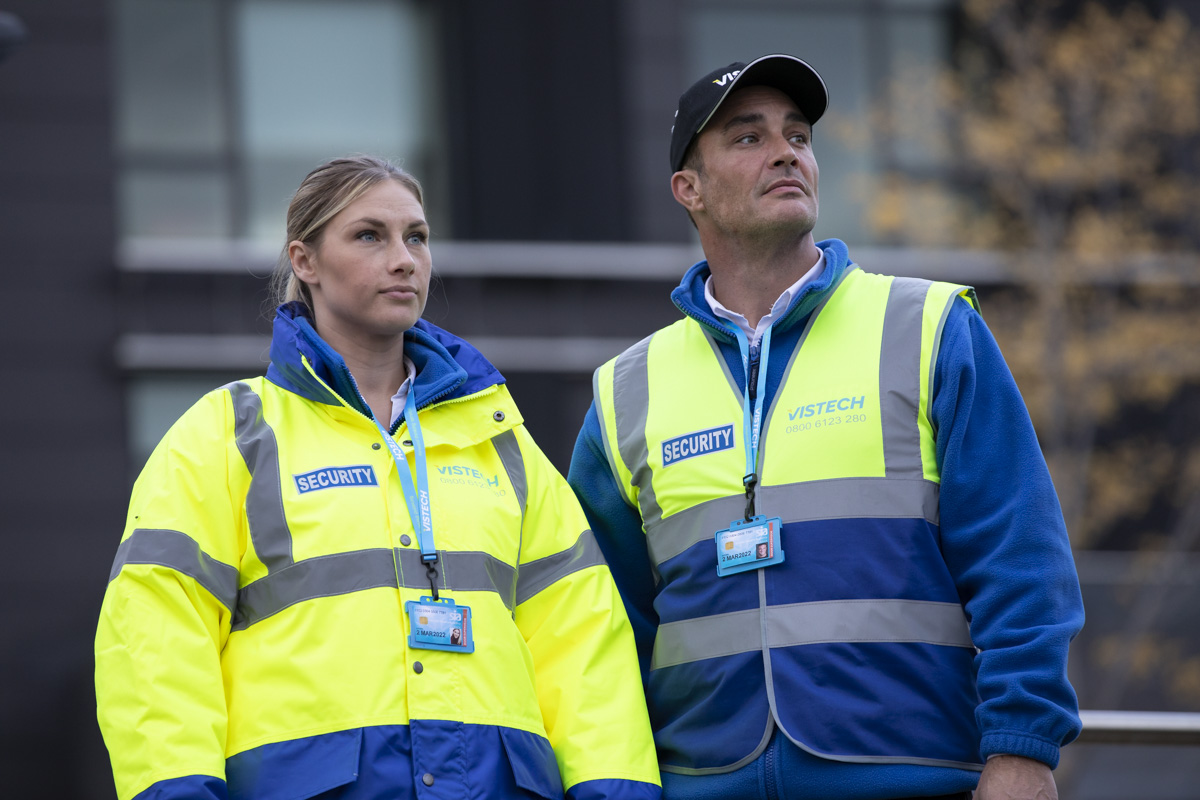
Security does not need constant confrontation. Calm personnel can discourage disruptive behavior through attentive positioning. Their presence also gives visitors someone to approach. At a concert, staff near crowded aisles can spot trouble early. That position protects access without pulling attention from performers.
Small Details Can Change Outcomes
Effective protection often rests on ordinary venue details. Lighting can reveal blocked paths before movement becomes difficult. Clear credentials help staff distinguish workers from visitors. Reliable radio coverage supports quick updates across distant areas. Most importantly, an open emergency lane preserves response space. Such details turn preparation into practical control.
FAQs
What does event security include?
Event protection can cover screening, patrols, crowd guidance, and incident response.
Why does crowd control matter?
Managed movement reduces congestion while keeping important access routes available.
When should planning begin?
Planning should start before guests arrive at the venue.
Can security remain approachable?
Yes, trained personnel can maintain authority while assisting visitors calmly.