Enhance Skin Renewal Through Retinol Serums With Barrier-Supporting Ingredients

Skin renewal feels more manageable when moisture stays balanced. Retinol can encourage fresher surface cells through regular evening use. Yet stronger formulas can leave dryness behind. That is where barrier-supporting care becomes useful. The best retinol serums combine renewal support with gentle moisture care. This balance helps skin remain comfortable during regular application. Texture, hydration, and formula strength all shape daily results.
Retinol Works Better With Balanced Care
Retinol encourages older surface cells to shed naturally. Fresh-looking skin can gradually replace rougher areas. However, dryness may develop when care feels too harsh. A supportive formula helps maintain moisture during this process. That makes regular use easier for sensitive or dry complexions.
- Moisture helps reduce uncomfortable tightness.
- Gentle formulas suit regular evening routines.
- Barrier support helps maintain surface softness.
- Balanced care reduces unnecessary dryness.
Barrier Support Keeps Moisture More Stable
The outer skin layer works like a protective shield. It helps hold water while blocking daily irritants. Retinol can challenge this balance during early use. Supportive ingredients can therefore help preserve softness. Simple hydration also makes the routine feel more comfortable.
Ceramides can help reinforce surface strength without heavy texture. Squalane adds softness while reducing a dry sensation. Panthenol can provide calming moisture for stressed skin. Each option serves a slightly different purpose.
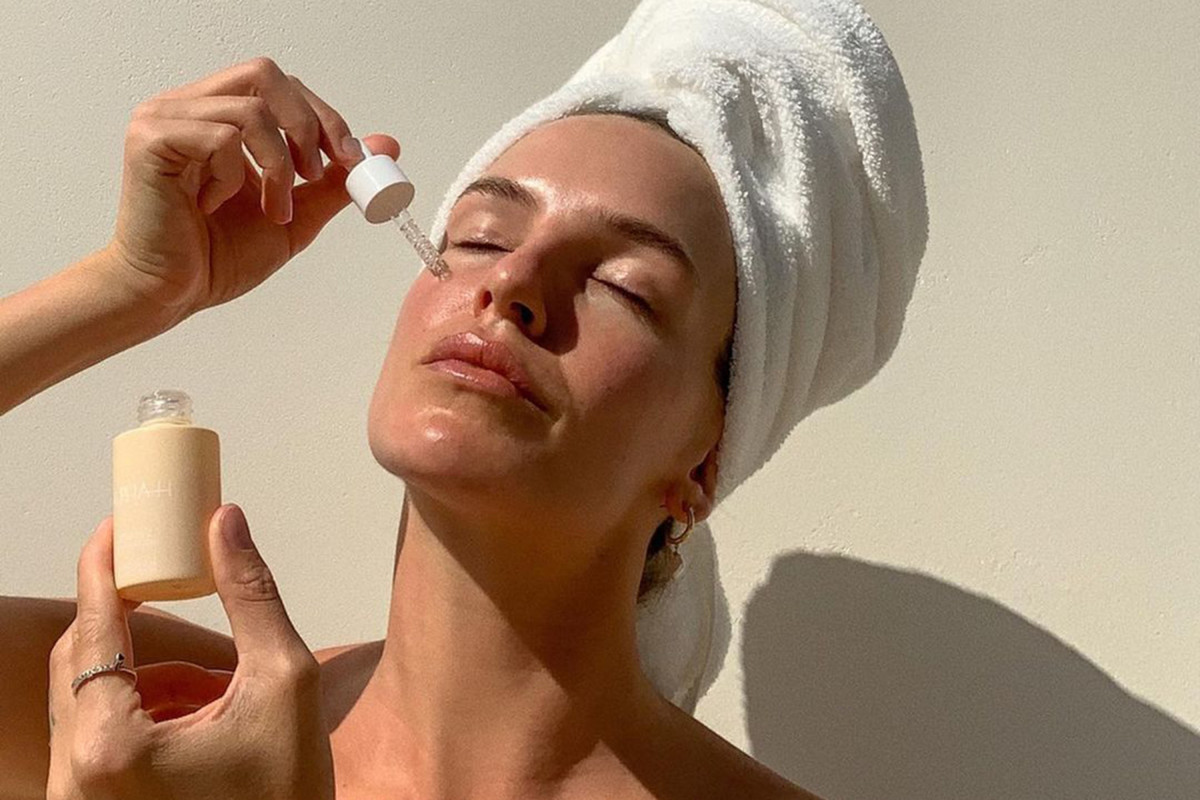
Hydration Shapes The Retinol Experience
Dry skin often makes active care feel uncomfortable. Hydrating ingredients can change that daily sensation. For this reason, best retinol serums often include moisture-supporting elements. A balanced formula can feel smoother during application. That comfort may also encourage a steadier skincare habit.
Rather than chasing stronger sensations, users can watch skin responses. Reduced tightness can signal better routine balance. Softness after application offers another useful clue. These details help guide sensible product choices.
Texture Can Influence Consistent Application
A serum’s texture affects how easily it spreads. Lightweight formulas can suit layered nighttime routines. Richer textures may feel better on drier complexions. Neither texture automatically suits every person.
Before choosing, users can consider these practical details:
- Thin formulas layer easily beneath moisturizer.
- Creamier textures suit rougher surfaces.
- Fast absorption can simplify evening routines.
- Gentle application reduces unnecessary rubbing.
Supporting Ingredients Match Different Skin Needs
Dry complexions may benefit from richer moisture support. Dehydrated surfaces often prefer water-binding ingredients. Sensitive skin can need simpler formulas with fewer actives. Meanwhile, balanced skin may tolerate broader combinations.
Ingredient selection should follow comfort rather than intensity. A calm surface creates better conditions for regular care. That approach keeps renewal connected with everyday skin maintenance.
Consistent Care Changes The Bigger Picture
Retinol does not work alone within skincare routines. Cleansing, moisturizing, and daytime protection still matter. Evening application also gives the skin time without sun exposure. Most importantly, comfort can influence long-term consistency.
A useful shift comes from viewing retinol as one part. Barrier care then becomes supporting groundwork rather than an afterthought. The small detail of reduced tightness can signal better balance. Over time, that comfort may matter as much as renewal itself.
FAQs
Can retinol help improve uneven skin texture?
Regular use can support surface renewal and create smoother-looking skin over time.
Why should barrier support accompany retinol?
Supporting moisture levels can reduce dryness and make regular application more comfortable.
Does skin type affect formula selection?
Yes, drier or sensitive complexions may need gentler supporting ingredients.
Is stronger retinol always a better choice?
Not necessarily, because balanced formulas can support consistency without excessive dryness.