Strong visual projects begin with clear ideas that deserve more than small sketches. Many creators seek ways to expand their vision across wide walls. Working with an artist mural helps to turn those early thoughts into bold finished pieces. The right steps keep the original meaning intact while the size grows. Careful planning from concept to completion produces work that feels complete and powerful.
Developing Core Concepts
Every large project needs a solid central idea that can hold attention from far away. The message should stay simple so it remains clear at full size. Early sketches help test whether the concept still works when stretched across a big surface.
- Build the main idea around one clear message that viewers grasp fast.
- Test early drawings to see how the concept holds at greater size.
- Remove extra elements that weaken the strength of the core story.
- Confirm the concept fits the purpose of the wall and the space.
- Keep the original feeling alive even as the scale increases.
Preparing Surface Areas
The wall itself must be ready before any paint or material is applied. Clean dry and smooth surfaces allow the design to adhere properly and last longer. Measuring the full area prevents mistakes in proportion later. Proper preparation protects both the artwork and the structure underneath.
Selecting Color Palettes
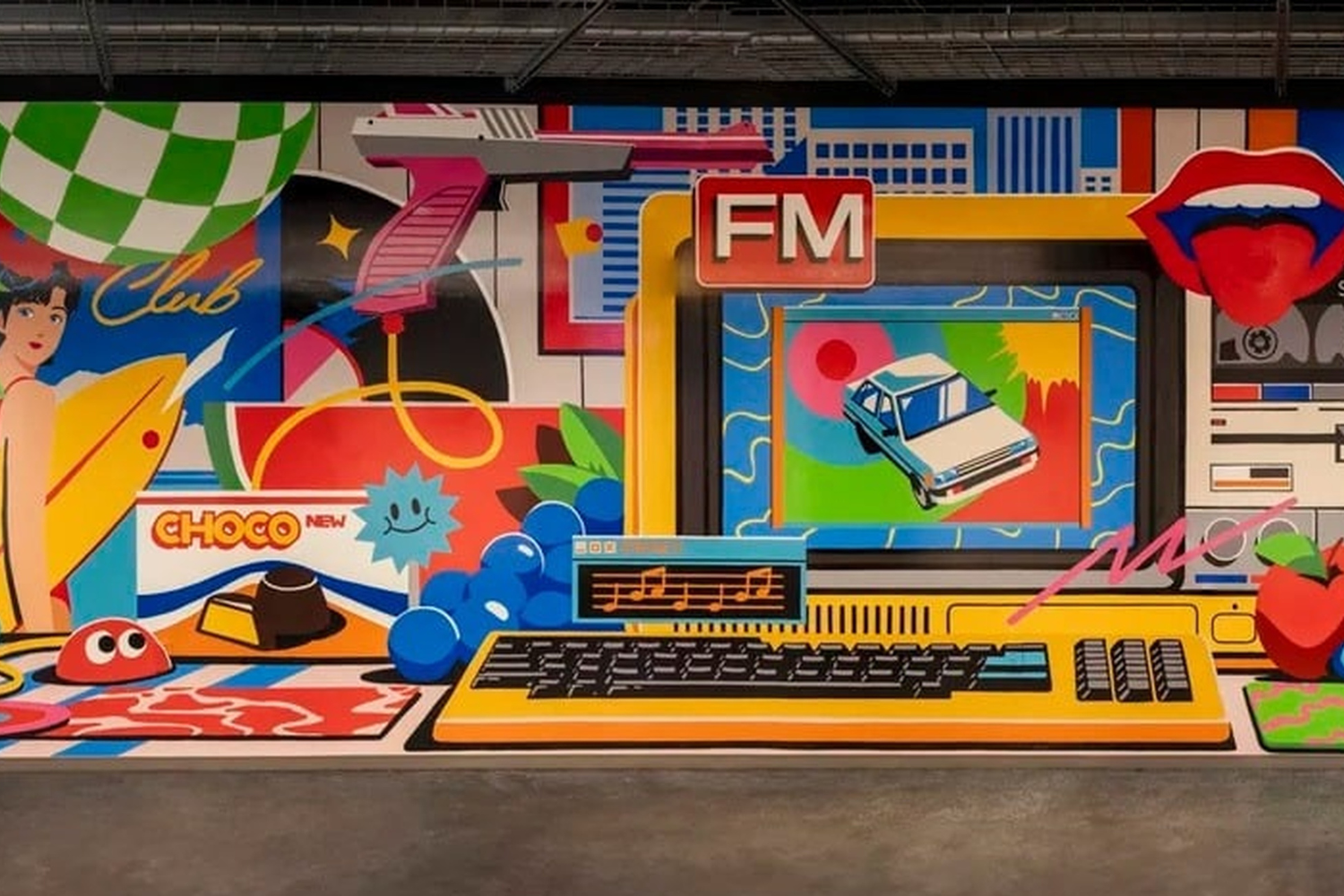
Colors must read well from a distance and under the light that falls on the wall. Bold tones often work better than soft ones when the surface is large. The chosen palette should support the main idea without fighting against it. Testing sample patches on the actual wall reveals how the colors will truly appear. An artist mural gains strength when the colors stay true to the first vision.
Managing Project Timeline
A realistic schedule keeps the work moving without rushed decisions. Breaking the project into clear stages helps track progress and maintain quality. Extra time should be left for adjustments that only become clear at full size. Steady pacing protects the final result from errors caused by haste.
- Divide the full project into clear stages with set checkpoints.
- Allow extra days for changes that appear only at large scale.
- Track daily progress to stay aligned with the overall plan.
- Avoid rushing the later stages where detail work matters most.
- Build buffer time for weather or surface issues that may arise.
Completing Final Details
The last stage focuses on refining edges and ensuring every part supports the whole. Small adjustments at this point can greatly improve how the finished piece reads. A full review from different distances confirms the work holds together. Proper sealing or protection helps the large artwork stay strong over time.
Clear concepts ready surfaces fitting colors steady timelines and careful finishing steps turn early ideas into lasting large works. When each stage receives full attention the final piece carries the original intent with greater power. Consistent focus on these practical points produces artwork that commands attention and holds meaning across wide surfaces for years.
What helps a concept succeed at large scale?
Simple clear ideas that stay strong when viewed from distance.
How should colors be tested for big walls?
Apply sample patches on the actual surface under real light.
Why does a steady timeline improve final quality?
It prevents rushed choices and allows needed adjustments at full size.
Categories: Business
